If you’re wondering, “How much does a trip to South Korea cost?” you’ll be glad to know that it can be easier on your budget than you might expect as a first-time visitor. Once you land, public transport is cheap, tickets for palaces and other attractions are fair, and you can find reasonably priced delicious food if you know where to look. The parts that can swing your total the most are flights and accommodation.
For all USD conversions below, I used a planning rate of KRW 1,400 to USD 1.00. Exchange rates move, so check again before booking.
Flights Have a Big Impact on Your Final Budget
Airfare depends on your departure city, season, and how early you book, so there is no single number I can give you that’ll be of use.
Current Korean airfare pages show just how wide the range can be. On Skyscanner Korea, recent round-trip economy examples include:
- New York to Seoul: from KRW 1,095,996
- Los Angeles to Seoul: from KRW 931,996
- Paris to Seoul: from KRW 799,124
- Sydney to Seoul: from KRW 742,812
- Rio de Janeiro to Seoul: from KRW 2,088,094
Transport Is One of the Easiest Costs to Plan For
One of the reasons South Korea feels easier on the wallet than many first-time visitors expect is transport. In Seoul especially, the subway can take you anywhere while keeping your day-to-day costs in check.
A T-money card costs KRW 3,000 (USD 2.14). It also gives a KRW 100 (USD 0.07) discount on bus and subway rides. Standard adult subway fare starts at KRW 1,400 (USD 1.00).
If you want a taxi after a long day, the base fare for a regular Seoul taxi is KRW 4,800 (USD 3.43). Airport transport is also fairly reasonable. The airport site lists the Seoul late-night airport limousine bus at KRW 17,000 (USD 12.14).
Exploring Seoul Doesn’t Have to Cost Much
This is one of the nicer surprises in South Korea. You can put together a full day of sightseeing without feeling like every stop is trying to empty your wallet. A few headline attractions cost real money, yes, but many of the classic Seoul experiences are either cheap or free.
Paid attractions worth budgeting for
- Gyeongbokgung Palace: Adult admission is KRW 3,000 (USD 2.14).
If you want the classic Seoul palace experience, this is usually the place to start. You get wide courtyards, ceremonial gates, mountain-backed views, and the kind of architecture that makes the whole visit feel unmistakably grand.
- Changdeokgung Palace: General palace admission is KRW 3,000 (USD 2.14).
If you want something that feels a little quieter and more atmospheric, this is a great choice. The grounds feel less formal and a little more tucked into the landscape, so the visit can feel calmer and more reflective than a first palace stop at Gyeongbokgung.
- Changdeokgung Secret Garden: Adult admission is KRW 5,000 (USD 3.57) on top of the palace visit.
If you are not just looking for a quick photo stop and want something more layered and scenic, the garden gives you that.
- Deoksugung Palace:Adult admission is KRW 1,000 (USD 0.71).
This is one of the cheapest paid attractions in central Seoul, which makes it easy to combine with other stops. It sits naturally inside a more modern part of Seoul, so it gives you a nice contrast between historic architecture and the surrounding city.
- N Seoul Tower Observatory: Adult admission is KRW 29,000 (USD 20.71).
Go for the skyline, the sense of height, the city views stretching out around you, and the overall “I’m really in Seoul” feeling that a good lookout gives you.
- Namsan Cable Car: Adult round-trip fare is KRW 15,000 (USD 10.71).
The cable car is part of the N Seoul Tower Observatory experience. If you take it up to the tower, the ride itself helps the outing feel more cinematic and more like a proper sightseeing event rather than just another stop on a list. If you do both the tower and the cable car, you’ll pay around KRW 44,000 (USD 31.43).
- SEA LIFE COEX Aquarium: Official ticket pricing starts from KRW 28,000 (USD 20.00) for adults.
If you want something more modern, indoors, and less history-focused, this gives you a completely different kind of sightseeing day. It works especially well when you want a break from palaces and walking-heavy neighborhoods, or when you want an attraction that feels more family-friendly and easy to slot into a Gangnam itinerary.
Free attractions that help balance the budget
- Gyeongbokgung/Deoksugung Royal Guard Changing Ceremony: If you are already near either palace, this is one of the easiest ways to make the experience feel more special without spending anything extra.
- National Museum of Korea: If you want one of the best free cultural attractions in the city, this is an easy pick. General admission is free, with charges applying only for some special exhibitions.
- National Folk Museum of Korea: If you want something that feels a bit more everyday and people-focused, this is a useful counterpoint to the bigger palace sites. It helps round out your understanding of Korea beyond royal architecture and grand ceremonial spaces.
- Seoul Museum of History: If you like your sightseeing to feel grounded in the city itself, this is a good one to include. It fits especially well into a day when you want one paid attraction in the morning and a free but still worthwhile museum in the afternoon.
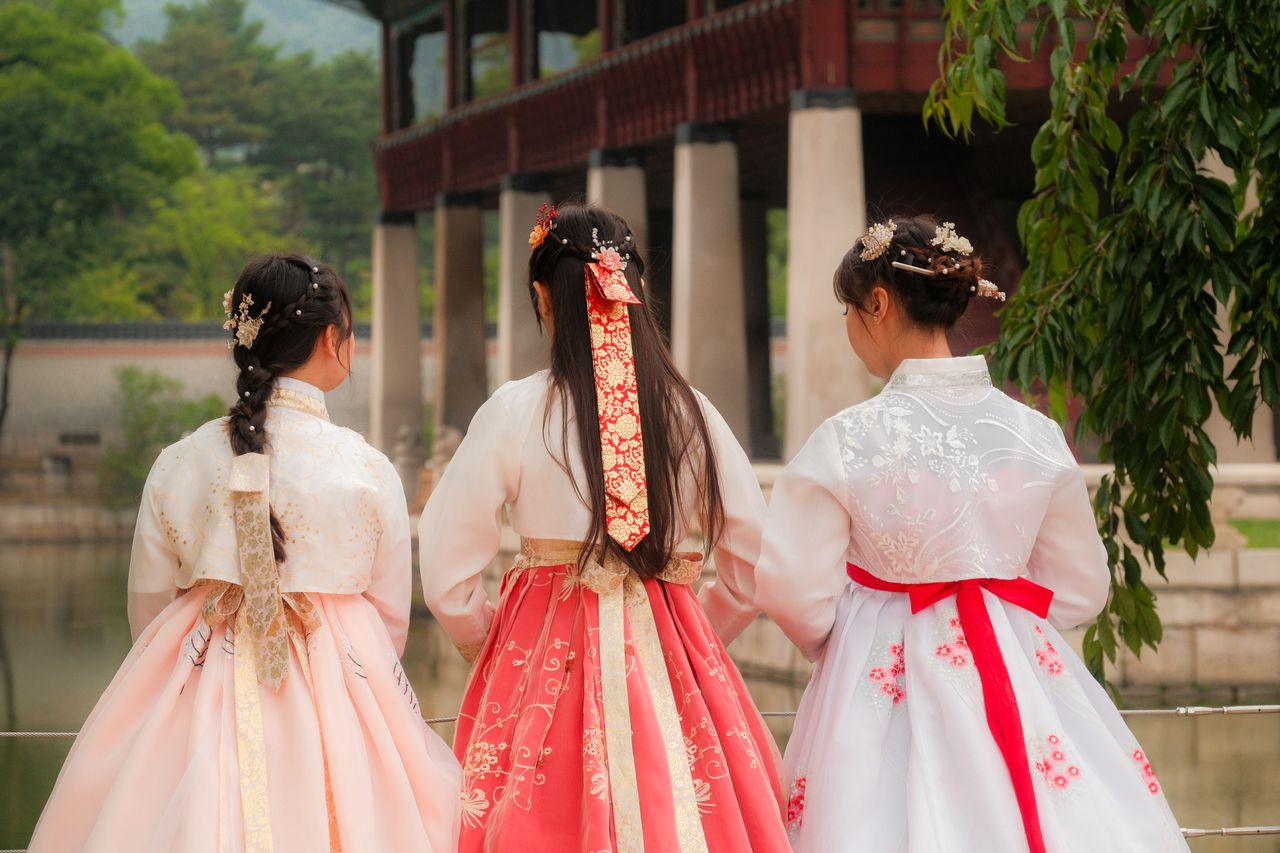
- Palace entry in qualifying hanbok: Visitors wearing qualifying hanbok can enter for free. If you were already thinking about renting hanbok for photos or for the experience, this is a real treat.
Seoul Food Prices: What You Can Expect to Pay
Seoul can be very affordable if you eat the way locals do, but your budget can climb fast once you add café stops, Korean BBQ, and nights out.
Convenience Stores: The Easiest Way to Save on Food
If you’re trying to keep daily costs down, Seoul convenience stores are still one of the easiest ways to do it. On CU’s official product listings, samgak gimbap starts at KRW 1,000 (USD 0.71) and a sandwich is KRW 2,300 (USD 1.64).
You can have a quick breakfast, late-night snack, or light lunch for very little, especially if you’re pairing grab-and-go food with cheap drinks from the fridge. So, if you’re moving around a lot, taking day trips, or just don’t want to sit down for every meal, convenience stores can save you a surprising amount over the course of a week.
Cheap Eats: Still Good Value, but Not as Cheap as They Used to Be
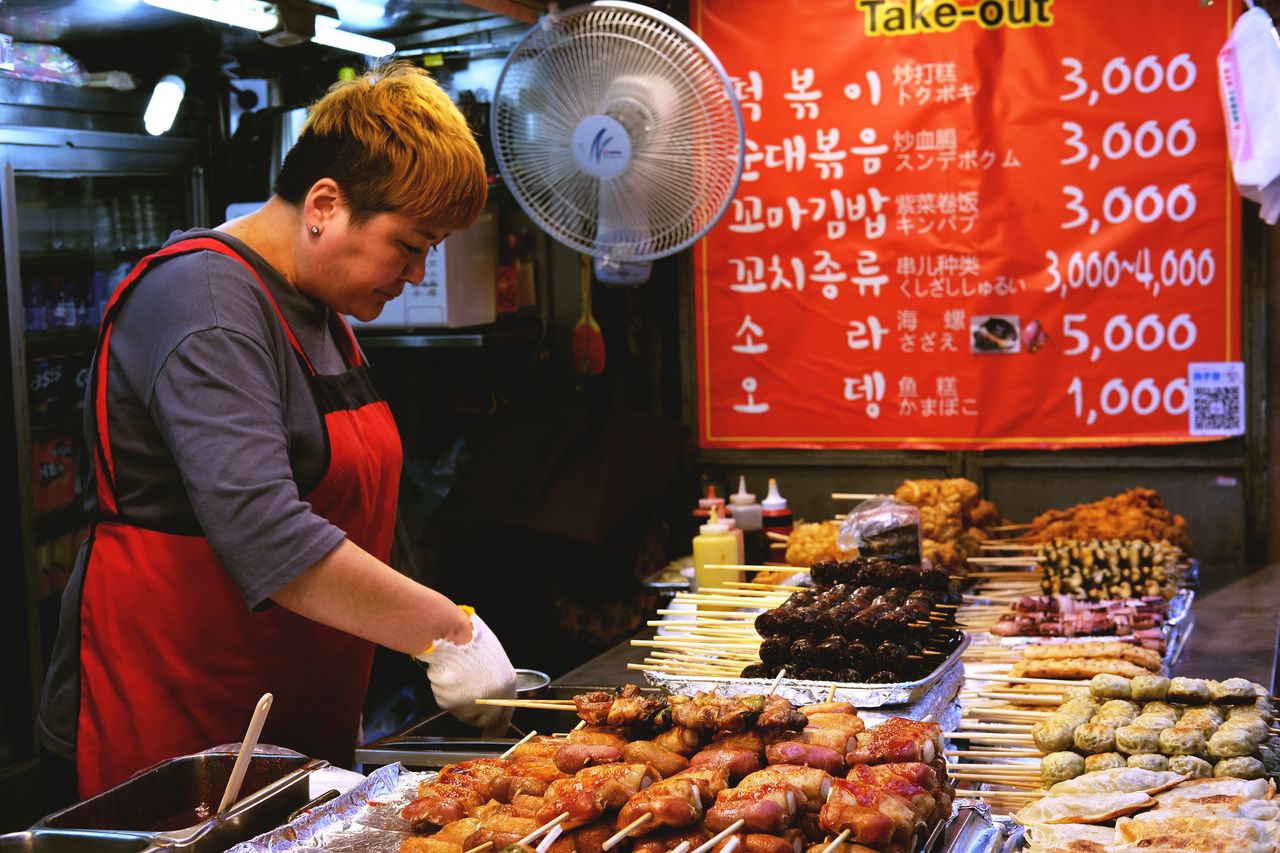
For a proper cheap meal, kimbap is still one of the most useful benchmarks. In Seoul, the average kimbap price reached KRW 3,838 (USD 2.74). It’s still inexpensive, but it’s not quite the ultra-cheap staple it used to be.
Street-food snacks start from around KRW 1,000 (USD 0.71), depending on what and where you’re buying. But once you start stacking multiple items, your “cheap” meal can turn into a mid-range spend pretty quickly.
For more street food options, check out our Korean Street Food: 15 Must-Try Dishes in Seoul Guide
Everyday Local Meals Show What Sit-Down Food Really Costs
If you’re eating at ordinary local restaurants rather than trendier cafés or tourist-heavy areas, everyday Korean meals are still pretty manageable. A kimchi-jjigae set meal in Seoul is around KRW 8,654 (USD 6.18), while kalguksu averages KRW 10,038 (USD 7.17).
That’s a useful working range for the kind of places you’ll probably rely on most: simple neighbourhood restaurants, lunch spots near subway stations, and casual eateries where you can get a full hot meal.
Fast Food Sits in the Middle on Price and Convenience
If you want something familiar, fast-food chains sit in the middle ground. Mom’s Touch listed a Bulgogi Burger at KRW 6,200 (USD 4.43), a Thigh Burger at KRW 6,900 (USD 4.93), and a Grilled Beef Burger Set at KRW 10,400 (USD 7.43).
Coffee Is One of the Easiest Ways to Overspend
Coffee is one of the easiest places to overspend in Seoul, especially if you’re stopping in cafés more than once a day.
At the budget end, Mega MGC Coffee’s hot Americano costs KRW 1,700 (USD 1.21) and its iced Americano KRW 2,000 (USD 1.43) after the latest price adjustment.
At the higher chain end, Starbucks Korea lists a Caffè Americano at KRW 5,500 (USD 3.93). That’s still not outrageous by global-city standards, but if you’re grabbing coffee every morning and adding pastries or seasonal drinks, it adds up fast.
Korean BBQ Is a Must-Do, but It’s Not a Cheap Eat
Korean BBQ is one of the easiest ways to underestimate your Seoul food budget.
In 2026, samgyeopsal in Seoul is at KRW 21,321 (USD 15.23) for a 200g portion. That’s before you start adding extra meat, drinks, add ons, etc. So yes, it’s absolutely worth doing, but it’s not an everyday cheap meal.
What a Realistic Day of Eating in Seoul Costs
If you keep things fairly practical – say, convenience-store breakfast, a cheap lunch, one budget coffee, and a simple local dinner – you’re looking at roughly KRW 15,000 to KRW 22,000 (USD 10.71 to USD 15.71) for the day, based on the verified prices above.
If you add a Starbucks stop and a Korean BBQ dinner, you’re much more in KRW 30,000+ (USD 21.43+) territory, and that’s before a bigger night out or extra drinks.
As you can see, Seoul can absolutely be a budget-friendly food city, but the version of Seoul you choose – convenience-store practical, everyday-local comfortable, or café-and-BBQ-heavy – makes a big difference.
Where to Sleep Without Blowing Your Budget
Because room rates move around so much by season, neighborhood, and how early you book, these are just estimates based on types of stays.
Hostels, Guesthouses, and Shared Houses
If you’re trying to keep costs down, these are the stays that make the most sense for solo travelers, short city breaks, and anyone who cares more about location than room size.
A dorm bed will often land around KRW 20,000 to 45,000 (USD 14.29 to 32.14), while a basic private room in a hostel or guesthouse often sits around KRW 45,000 to 80,000 (USD 32.14 to 57.14). In the most popular areas, or on Friday and Saturday nights, expect the higher end or more.
What you’re really paying for here is access. You’re often close to subway stations, cafés, nightlife, or sightseeing areas, which can save you time and transport money. The trade-off is usually space, soundproofing, and privacy. Rooms can be compact, bathrooms may be shared, and older buildings are common.
Small Hotels and Business Hotels for Better Comfort
This is the middle ground most travelers end up liking best because there’s more privacy.
A basic small hotel or motel-style private room often comes in around KRW 60,000 to 110,000 (USD 42.86 to 78.57). A more polished business hotel is often more like KRW 90,000 to 160,000 (USD 64.29 to 114.29), though central Seoul can easily run higher in peak periods.
If you’re traveling as a couple or splitting a twin room with a friend, a small hotel room often gives the best balance between comfort and cost.
Apartment-Style Stays and Airbnb-Type Rentals
If you’re staying longer, traveling as a family, or just want more room to breathe, apartment-style stays can make a lot of sense. They’re especially useful if you want a washing machine, a kitchenette, or a fridge for drinks, fruit, and convenience-store breakfasts.
For a small studio or one-room setup, think roughly KRW 100,000 to 180,000 per night (USD 71.43 to 128.57) in many city areas, with bigger family-friendly places often starting closer to KRW 150,000 to 250,000+ (USD 107.14 to 178.57+).
The real value here is flexibility. If you’re staying four nights or more, the extra space can make a big difference. You’re not forced out into cafés every morning, you’ve got somewhere to spread out laundry, and you can cut down on snack and drink spending just by having a fridge and kettle. For longer stays, that convenience often matters as much as the room rate itself.
Staying in a Hanok for the Experience
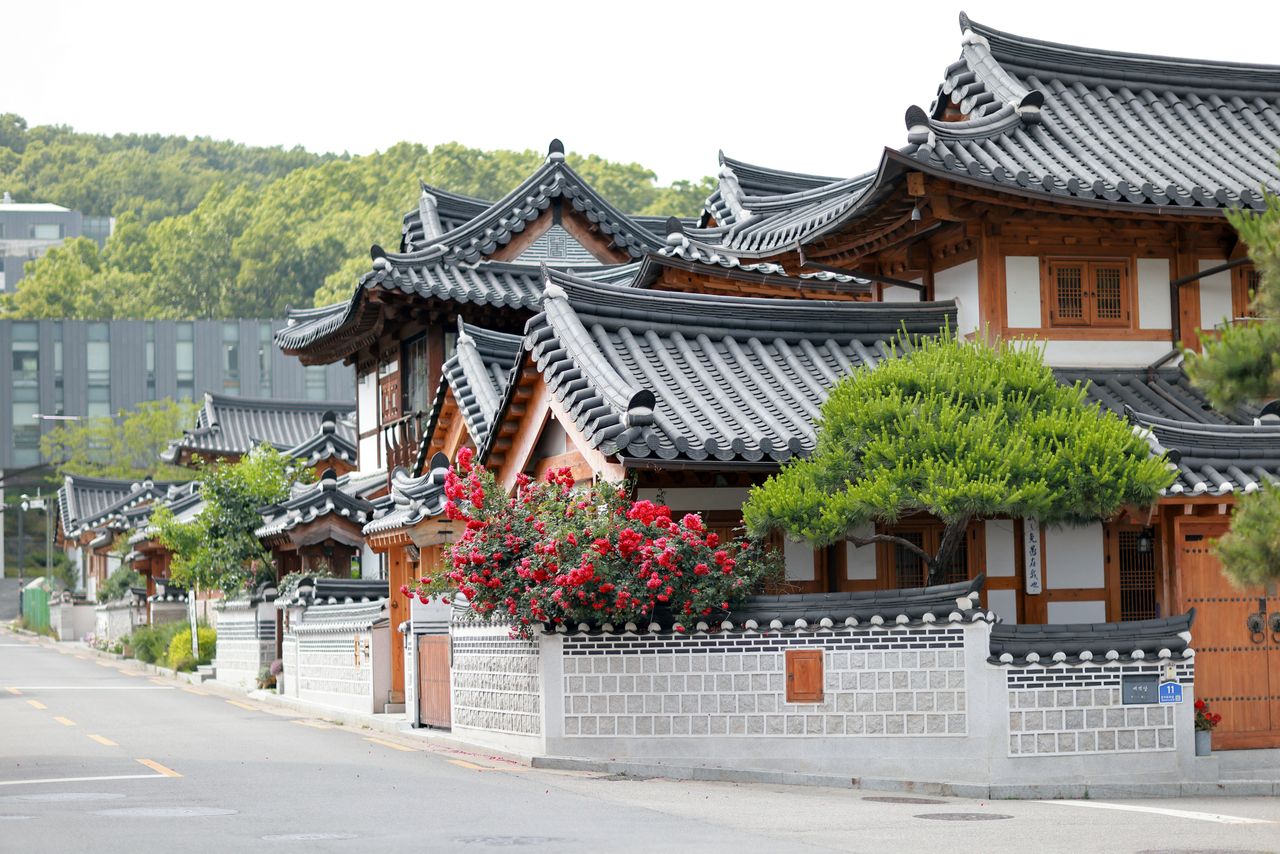
Hanok stays are for when you want your accommodation to feel like part of the trip, not just somewhere to sleep. They’re especially popular in places like Bukchon, Jeonju, Gyeongju, and quieter historic neighborhoods where the traditional setting actually adds something to the experience.
A simpler hanok stay might start around KRW 80,000 to 130,000 (USD 57.14 to 92.86), while more atmospheric or better-located options often sit around KRW 130,000 to 220,000+ (USD 92.86 to 157.14+).
What you’re paying for here isn’t just the bed. It’s the wooden architecture, the courtyard feel, the quiet, and the sense that you’re staying somewhere with character.
That said, hanok stays aren’t always the most comfortable option for every traveler. Bedding can be futon-style on the floor, insulation can vary, and bathrooms sometimes feel more compact than what you’d get in a modern hotel. They’re best treated as a style-and-experience stay rather than the most practical value choice.
Templestay as an Overnight Cultural Experience
If you want an overnight cultural experience that also happens to include accommodation, a templestay can be one of the more memorable nights of your trip.
A night often costs around KRW 70,000 to 120,000 (USD 50.00 to 85.71), depending on the temple and program. Some stays include a more structured schedule, with chanting, meditation, temple meals, and early starts. Others are more relaxed.
Think of Templestay as both accommodation and activity. If you look at it that way, the price will make more sense. It’s not the right pick if you just want convenience, privacy, or a lazy morning, but it can be excellent value if you want something meaningful and different.
So, Is South Korea Expensive?
It can be, but it doesn’t have to be.
Public transport is inexpensive, sightseeing can be mixed with free and low-cost stops, and ordinary meals are still well within reach. The two categories that most strongly shape the final total are the flight and the kind of room you book.