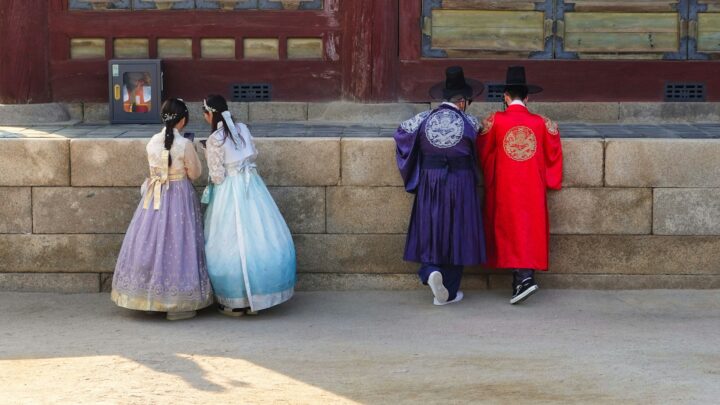
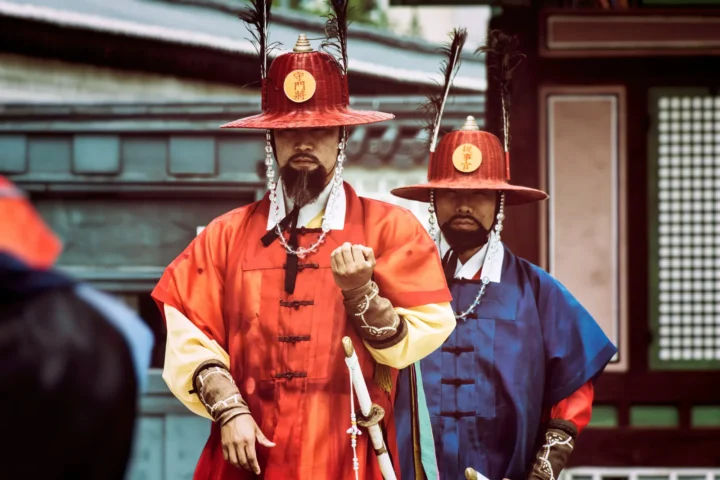
South Korea has always been known for its intense work ethic, driven by fast economic growth and strong cultural values. As we move into 2026, the Korean work culture is starting to change.
The traditional Korean work environment, once characterized by rigid hierarchies and long working hours, is adapting to meet the demands of younger workers who prioritize flexibility, purpose, and work-life balance. The result? A workplace that still feels unmistakably Korean, yet offers noticeably more breathing room than it did a decade ago.
Here’s the real state of South Korea work culture in 2026.
Table of Contents
Core Traditions That Are Still Very Much Alive
These foundations haven’t gone anywhere. They shape every office, even the most modern ones:
- Deep respect for hierarchy: Using titles, honorific speech, and formal language are daily requirements. You’ll still hear 팀장님 (Timjang-nim – Team Leader), 부장님 (Bujang-nim – Department Head), 사장님 (Sajang-nim – Company President) everywhere.
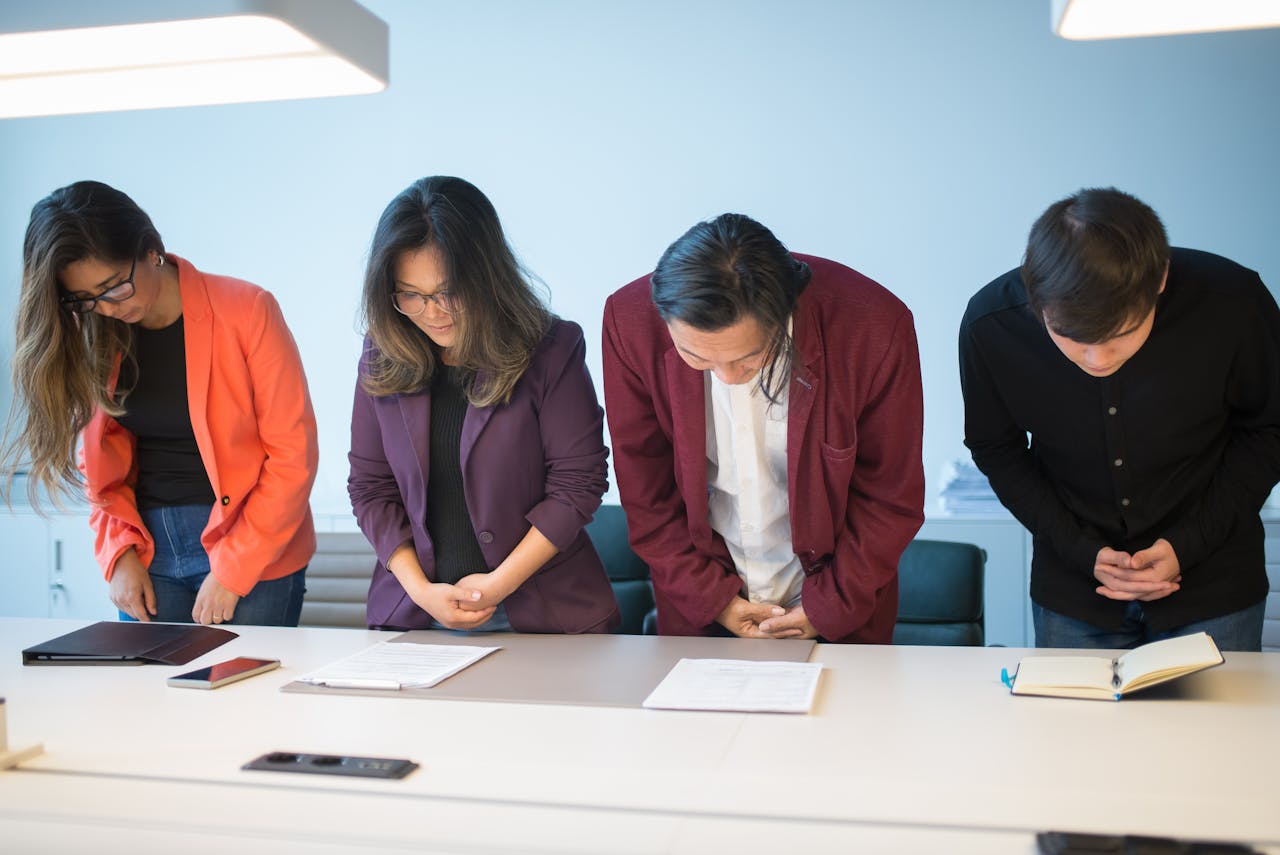
Bowing slightly when greeting seniors and using two hands when receiving business cards are expected behaviors.
Even in casual Slack messages, younger employees typically use formal endings like 습니다 (seumnida) when addressing supervisors.
- Nunchi (눈치 – reading the atmosphere): Sensing unspoken moods and adjusting your behavior keeps harmony and prevents conflict. Knowing when to speak up in meetings and when to stay quiet requires constant social awareness.
- Speed and urgency: “빨리 빨리” (ppalli ppalli – quickly, quickly) culture remains. Fast replies and rapid execution are expected.
- Professional appearance: Suits for men, neat business attire for women. Only tech startups, gaming companies, creative agencies, and some foreign firms allow casual dress codes
Only tech startups, gaming companies, creative agencies, and some foreign firms allow casual dress codes like hoodies and sneakers.
The Major Changes You’ll Feel in 2026
The 52-hour workweek is no longer optional.
The law that began in 2018 now covers virtually every company with five or more employees, and enforcement has significantly tightened.
- Average weekly hours have dropped to 48-50, down from the 60-70-hour weeks that were common in the 2010s.
- Overtime must be compensated and documented, with government inspections becoming more frequent.
- Companies face substantial fines for violating hour limits, making compliance a business priority.
- Late-night work sessions still happen during crunch periods, but they’re the exception rather than the rule.
Younger generations are forcing real change.
Workers in their twenties and thirties are fundamentally changing what’s considered acceptable behavior in Korean offices.
- Openly refusing mandatory company dinners (회식, hweshik) when they conflict with personal plans has become socially acceptable.
- Job-hopping every 2-4 years is now normal and viewed as career development rather than disloyalty.
- Younger employees prioritize clear boundaries, skill development, and meaningful projects over blind company devotion.
- Many offices are dropping formal titles in internal communications or adopting English first names for international teams.
Remote and hybrid work have become standard in many sectors.

The pandemic accelerated changes that were already brewing, and many companies have made flexible arrangements permanent.
- Technology, finance, marketing, and multinational companies commonly offer 2-3 days of remote work per week.
- Digital collaboration tools like KakaoWork, Naver Works, and Microsoft Teams have replaced many in-person meetings.
- Several progressive companies are running official four-day workweek trials throughout 2026.
- Co-working spaces in Seoul and Busan are booming as companies downsize physical office space.
Mental health support is finally mainstream in Korean work culture 2026.
Major corporations are investing heavily in employee well-being programs that would have been unthinkable in traditional Korean business culture.
- Samsung, LG, Kakao, and other industry leaders now offer free counseling services, mental health days, and “recharge leave.”
- Open discussions about stress, anxiety, and burnout are becoming acceptable among younger employees.
- Employee resource groups focusing on work-life balance are gaining company support and budget allocation.
- Performance reviews now include well-being metrics alongside traditional productivity measures.
Compensation and Benefits Evolution
Salary transparency is slowly improving.
Korean companies are slowly becoming more open about pay, though you’ll still find huge differences depending on where you work.
- Tech startups and foreign companies often provide clear salary bands and advancement criteria.
- Traditional companies still maintain more secretive compensation structures, particularly at senior levels.
- Negotiating salary increases requires understanding both individual performance metrics and team contribution assessments.
- Benefits packages increasingly include flexible spending accounts, wellness programs, and professional development stipends. It’s a far cry from the days when overtime pay and a company phone were considered generous perks.
Performance evaluation systems are actually starting to make sense.

Modern Korean companies are implementing evaluation frameworks that balance individual achievement with team contribution.
- Most modern Korean companies now use 360-degree feedback, which means your peers and even people you manage get to weigh in on how you’re doing.
- Companies are also getting better at setting clear goals instead of just rewarding whoever works the longest hours. You’ll still find managers who equate busy-looking with productive, but more companies are tracking actual results and outcomes.
- The quarterly check-in meetings that used to be just formalities now include real career planning discussions, including options for moving sideways into different departments or developing new skills that might not directly relate to your current job.
Practical Daily Life in Korean Offices
Communication tools and etiquette have evolved.
Every Korean office has its own digital culture, but some patterns hold true everywhere.
- KakaoTalk is still king for quick messages, but there’s an unwritten understanding about when it’s okay to contact colleagues after hours. Most people will put their phones on silent after 9 PM and expect the same courtesy from coworkers, though deadlines can throw these boundaries out the window.
- Email formality is an art form that takes time to master. Writing to your team leader requires a different tone than messaging a peer, and there are specific phrases you’re expected to use for openings and closings depending on the recipient’s position.
- Video calls have their own etiquette rules: cameras are usually expected to be on, and having a messy background can actually hurt your professional image more than you might think.
- Response times depend heavily on both urgency and your relationship with the sender. A message from your direct supervisor usually needs a same-day response, while requests from other departments might have more flexibility.
Food culture continues to play a central role.
Workplace food traditions remain strong indicators of team cohesion and cultural integration.
- Team lunches often involve group decision-making about restaurant choice, with junior members typically offering suggestions while senior staff make the final call.
- Coffee culture includes both casual networking and formal business meetings held in nearby cafes. Many Korean professionals can tell you the best cafes within walking distance of their office and which ones are good for different types of conversations.
- The office snack economy is alive and well. Someone always brings back treats from business trips or vacation, and sharing food from your lunch or bringing extra coffee for colleagues helps maintain those daily positive interactions that make Korean offices function smoothly.
- Understanding dietary restrictions and preferences shows cultural sensitivity that colleagues appreciate.
Work-life integration challenges persist.
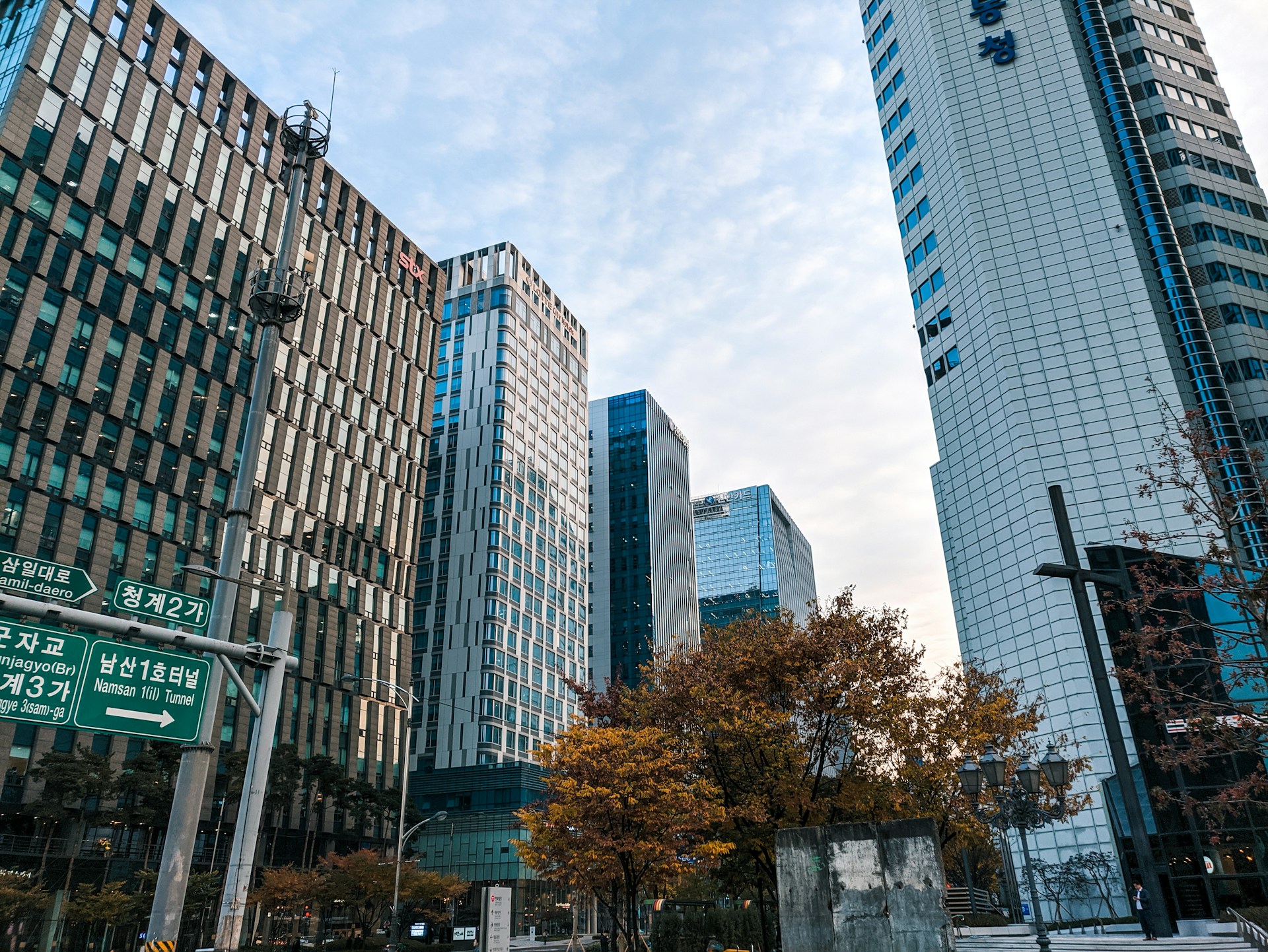
Despite all the legal changes and generational shifts, balancing professional demands with personal life remains complex in Korean work culture.
- You can’t just say “no” to after-hours requests. Instead, you need to communicate your limitations in a way that shows respect for the team while protecting your personal time. This might mean suggesting alternative solutions or timeline adjustments rather than flat refusal.
- Family responsibilities are becoming more legitimate excuses for skipping company events, but there’s still an expectation that you’ll participate when possible. The guilt factor hasn’t completely disappeared, especially if you’re the only team member who regularly declines social invitations. Finding the right balance between maintaining relationships and preserving personal time is an ongoing challenge for most Korean professionals.
- Vacation time usage has gotten easier in recent years, but many workers still feel pressure to justify longer breaks or worry about the workload they’ll return to.
- Side hustles and freelance projects are increasingly accepted, particularly among younger employees, though some companies still have policies about outside work that require disclosure or approval. What’s important is to be transparent about potential conflicts of interest while asserting your right to develop skills and income outside your primary job.
Korean work culture 2026 is still evolving, but the basic rules haven’t disappeared; they’ve just gotten more flexible. Hierarchy and respect matter as much as ever, but younger workers have successfully pushed for better hours, real mental health support, and actual work-life boundaries.
Whether you’re Korean or foreign, succeeding in this environment still requires reading social cues, building relationships, and understanding that even progressive Korean companies operate differently than what you might expect elsewhere.
FAQs About Korean Work Culture 2026
Do I need to speak Korean to work in Seoul?
It depends on your industry and role. Tech companies and multinational corporations often operate primarily in English, but Korean proficiency significantly expands your opportunities and helps with relationship-building. Learning basic honorific forms shows cultural respect that Korean colleagues appreciate.
How important are after-work company dinners in 2026?
While still valuable for relationship-building, attendance has become more optional, especially for younger workers with family obligations. The key is communicating your constraints respectfully while participating when possible to maintain team connections.
What should foreigners know about Korean workplace hierarchy?
Hierarchy remains important but has become more flexible. Use appropriate titles and formal language with seniors, understand that decision-making often happens through informal pre-meeting discussions, and build relationships with senior colleagues who can serve as mentors.
How has remote work changed Korean office culture?
Many companies now offer 2-3 days of remote work per week, particularly in tech and finance. Digital collaboration tools are standard, and some companies are testing four-day workweeks. However, in-person relationship-building remains important for career advancement.
What benefits can I expect from Korean companies in 2026?
Modern Korean companies offer competitive packages including health insurance, performance bonuses, professional development budgets, mental health support, and increasingly flexible work arrangements. Benefits vary significantly between traditional companies and newer industries.
Sources:
https://www.edstellar.com/blog/south-korea-work-culture